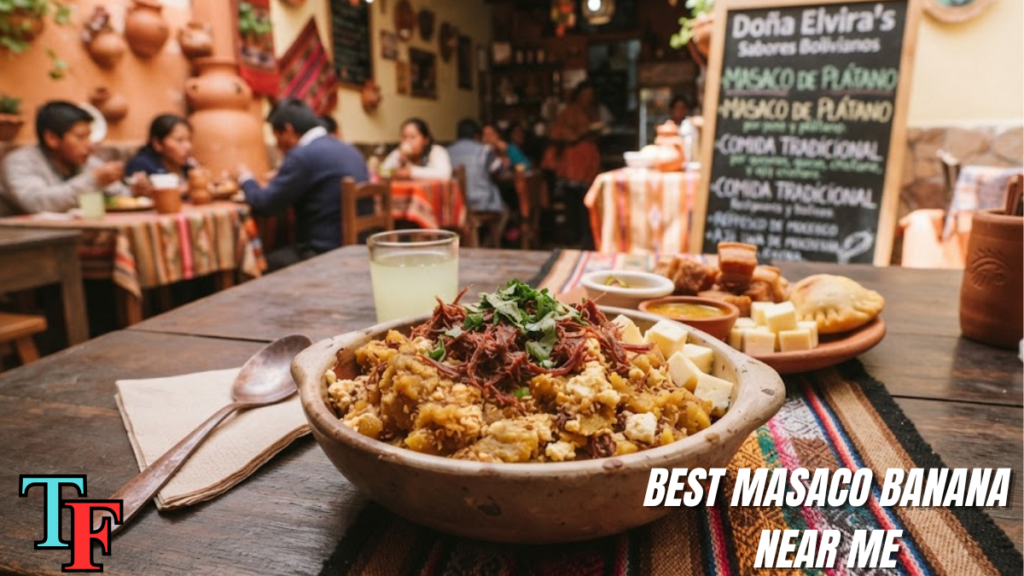

There are some foods that feel like a direct connection to a place, a family kitchen, and generations of tradition. Masaco banana is one of those dishes. Warm, rustic, and deeply satisfying, it transforms simple cooking bananas into a comforting meal with rich texture and unforgettable flavour.
When people search for the best masaco banana near me, they are usually looking for something authentic, not just another banana recipe. They want the real experience: the soft mashed banana, the savoury additions, the handmade preparation, and the cultural story behind every bite.
Masaco banana is especially connected with Bolivia’s eastern lowlands, where traditional cooks prepare it using cooked plantains or bananas combined with ingredients such as cheese, meat, or other local flavours. It is a beloved part of regional cuisine, particularly in areas such as Santa Cruz.
In my experience exploring traditional foods, dishes like this stand out because they are not designed to impress with complexity. They impress because every ingredient has a purpose. This guide will help you find, understand, and enjoy masaco banana better than ever.
World’s Best Places to Experience Masaco Banana
Because masaco banana is a regional Bolivian speciality rather than an internationally commercial dish, the best experiences are usually found in traditional restaurants, family kitchens, and local food markets in Bolivia. Instead of chasing famous luxury restaurants, travellers often discover the most memorable versions where local cooks preserve traditional methods.
1. Traditional Camba Food Restaurants – Santa Cruz de la Sierra, Bolivia
Santa Cruz is considered one of the strongest places to experience masaco because the dish belongs to the region’s Camba culinary traditions. Local restaurants and food stalls often prepare masaco de plátano alongside other eastern Bolivian favourites.
The speciality here is the handmade texture. Traditional cooks often mash cooked banana or plantain using methods inspired by older kitchen techniques, creating a dish that feels homemade rather than mass-produced.
A visit during breakfast or afternoon snack hours offers the best chance to experience it in its natural setting.
2. Local Markets of Santa Cruz, Bolivia
For travellers who want the most authentic experience, local markets can be more exciting than formal dining rooms.
Market vendors often prepare traditional foods using recipes passed through families. Masaco banana is appreciated because it is affordable, filling, and connected with everyday Bolivian life.
The best versions usually have:
- Freshly cooked banana or plantain
- Balanced seasoning
- A soft but not watery texture
- Quality cheese or meat additions
3. Camba Cuisine Restaurants – Trinidad, Bolivia
Trinidad, located in Bolivia’s Beni region, is another area where traditional lowland cuisine remains important. Masaco and similar banana-based dishes reflect the tropical ingredients available in this part of the country.
The experience here is less about a single famous restaurant and more about discovering regional cooking traditions.
4. Bolivian Community Restaurants – Buenos Aires, Argentina
Outside Bolivia, cities with large Bolivian communities often preserve traditional foods. Buenos Aires has many Bolivian neighbourhood restaurants where visitors can explore dishes from Bolivia’s different regions.
The advantage of these places is cultural authenticity. Many cooks prepare food using family recipes rather than adapting everything for tourists.
5. Bolivian Food Festivals – Bolivia
Food festivals in Bolivia frequently celebrate traditional dishes from different regions. Masaco is among the foods associated with eastern Bolivian celebrations and culinary events.
These festivals provide a unique opportunity to compare different versions and learn how families personalise the recipe.
Best Places in the USA for Masaco Banana
Finding masaco banana in the United States requires looking beyond mainstream restaurants. It is usually available through Bolivian restaurants, Latin American food businesses, and cultural events rather than large restaurant chains.
1. Bolivian Restaurants – Washington D.C. Area
The Washington D.C. region has one of the strongest Bolivian communities in the USA. Restaurants serving Bolivian cuisine often feature traditional dishes from different regions.
Tip: Ask whether they prepare eastern Bolivian specialities. Many restaurants rotate traditional dishes depending on availability.
2. Bolivian Food Spots – Virginia
Northern Virginia has several Latin American restaurants where Bolivian cuisine can be found. Smaller family-run restaurants often provide the most traditional flavours.
Visit during weekends when traditional menu items are more likely to be available.
3. Bolivian Restaurants – California
California’s diverse food scene makes it another good place to explore Bolivian cuisine.
The best approach is to call ahead because masaco banana may not appear as a daily menu item.
Best Places in the UK for Masaco Banana
The UK does not have a large number of restaurants specialising in masaco banana, but London provides the strongest chance of finding Bolivian and Latin American cuisine.
1. Latin American Restaurants – London
London’s multicultural food scene includes restaurants from across South America. While masaco banana is less common than Peruvian, Brazilian, or Mexican dishes, Bolivian food lovers can sometimes find regional specialities.
Tip: Search Google Maps using terms like:
- “Bolivian restaurant London”
- “Bolivian food near me”
- “Latin American restaurant with Bolivian dishes”
2. South American Food Events – London
Food festivals and cultural events are often better places to discover rare dishes.
Chefs and home cooks frequently prepare traditional foods that are not available every day in restaurants.
3. Latin American Communities – Manchester and Birmingham
Large Latin American communities in UK cities sometimes organise food gatherings where traditional dishes appear.
For UK readers, checking recent reviews and calling before travelling is the smartest way to avoid disappointment.
What Is Masaco Banana? Ingredients and History
Masaco banana is a traditional Bolivian dish made by cooking bananas or plantains and combining them into a soft, mashed preparation. The dish is especially associated with eastern Bolivia, where banana-based foods are common because of the tropical climate and agricultural traditions.
The name “masaco” comes from the idea of creating a mashed mixture. Traditional versions may include cheese, dried meat (charque), or other savoury ingredients.
Main ingredients usually include:
- Green or ripe cooking bananas/plantains
- Cheese
- Cooked meat or shredded beef (optional)
- Onion
- Salt
- Oil or cooking fat
- Seasonings
A high-quality masaco banana should have a smooth but slightly textured consistency. A poor version often tastes flat because the banana is overcooked or the seasoning balance is missing.
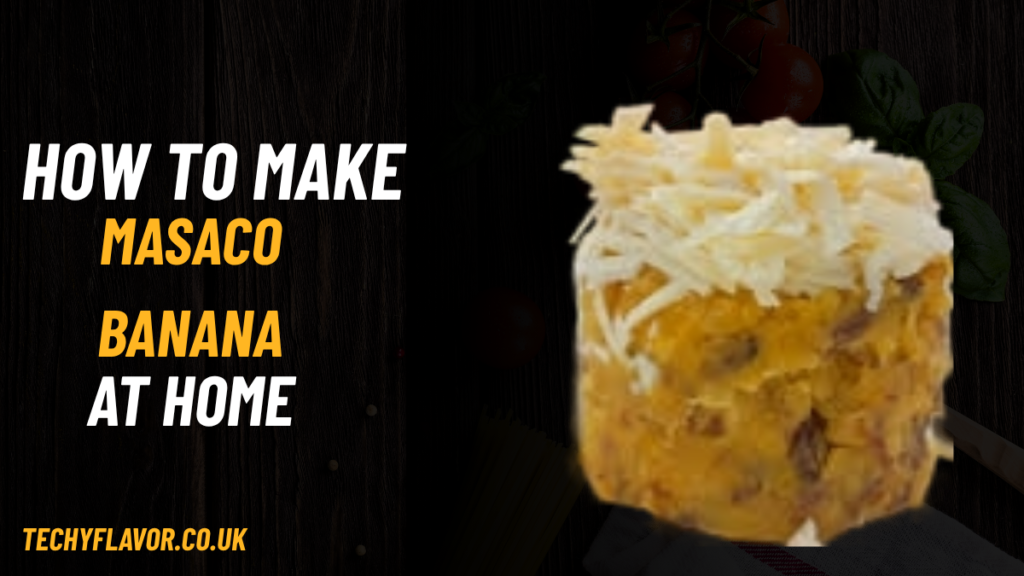
How to Make Masaco Banana at Home
Preparation Time
Prep time: 15 minutes
Cooking time: 30–40 minutes
Serves: 3–4 people
Step 1: Prepare the bananas
Choose firm cooking bananas or plantains. Peel them carefully and cut them into smaller pieces.
Avoid using very soft dessert bananas because they become too sweet and lose the traditional savoury character.
Step 2: Cook until tender
Boil or steam the banana pieces until they become soft enough to mash.
The key is patience. If the banana is undercooked, the final dish becomes rough instead of creamy.
Step 3: Mash the banana
Place the cooked banana in a bowl and mash it until you get a thick mixture.
Traditional preparation often focuses on texture, so do not blend it completely smooth like baby food.
Step 4: Add flavour ingredients
Mix in:
- Grated cheese
- Cooked shredded meat if desired
- Lightly cooked onion
- Salt and seasoning
A good masaco balances the natural flavour of banana with savoury ingredients.
Step 5: Shape and serve
Form small portions by hand or with a spoon.
Serve warm with:
- Fresh salad
- Grilled meat
- Coffee or tea
- A simple sauce
My cooking tip: let the mixture rest for five minutes before serving. The flavours combine better, and the texture becomes more enjoyable.
A common mistake is adding too much liquid. Masaco should be soft but still hold its shape.
Frequently Asked Questions About Masaco Banana
What does masaco banana taste like?
Masaco banana has a unique combination of mild sweetness from the banana and savoury flavours from cheese, seasoning, or meat. The texture is soft and comforting.
Where can I find the best masaco banana near me?
The best place depends on your location. Search for Bolivian restaurants, Latin American food markets, and cultural food events. Calling ahead is recommended because it is not always a daily menu item.
Is masaco banana a dessert?
No. Although banana is naturally sweet, masaco banana is usually a savoury dish. It is often prepared as a snack or meal rather than a dessert.
Can I make masaco banana with regular bananas?
Traditional versions use cooking bananas or plantains because they have a firmer texture. Regular sweet bananas usually do not create the same result.
Is masaco banana vegetarian?
It can be vegetarian if prepared with banana, cheese, and seasonings only. Some traditional recipes include meat, so always check before ordering.
What food goes well with masaco banana?
It pairs beautifully with grilled meats, fresh vegetables, coffee, or tea. The mild banana flavour works well with stronger savoury flavours.
Final Thoughts
Masaco banana is proof that great food does not need complicated ingredients. It represents tradition, family cooking, and the connection between local agriculture and everyday meals.
Whether you discover it during a trip to Bolivia, at a cultural food event, or through a homemade recipe, this dish offers something special: a taste of a place and its people.
If you are searching for the best masaco banana near me, look beyond ordinary restaurants and explore authentic Bolivian food communities. The most memorable bite may come from a small kitchen where someone is still preparing the recipe the same way their family did for generations.
Sometimes the simplest foods tell the biggest stories.
Read More Blog: